

Roof repairs often look simple from the ground, but small mistakes can lead to leaks, hidden rot, attic moisture, or premature roof failure. In Saranac Lake, NY, repairs must also account for heavy snow, ice, freeze-thaw cycles, wind, and long periods of seasonal moisture.
The most common problems come from treating a symptom instead of finding the source. A dark ceiling mark, loose shingle, or dripping edge may be connected to a larger issue involving flashing, ventilation, underlayment, or drainage.
Is covering a roof leak with roofing cement a reliable repair?
Usually, no. Roofing cement may temporarily slow water entry, but it often hides the actual source and can make later repairs more difficult.
Water does not always travel straight down. A leak that appears above a bedroom may begin several feet away at a chimney, roof transition, vent, valley, or fastener. Applying a thick patch directly over the interior stain or visible roof spot may stop water briefly while allowing moisture to remain beneath the roofing materials.
Roofing cement can also crack as temperatures change. Freeze-thaw movement is especially relevant in the Adirondack climate, where water that enters a small opening can freeze, expand, and enlarge the defect.
A more reliable repair begins by tracing the water path from the attic outward. Helpful inspection points include:
- The underside of the roof sheathing
- Areas around chimneys, plumbing vents, and skylights
- Valleys where roof planes meet
- Nail heads and exposed fasteners
- The upper edges of wall and roof intersections
- Places where insulation is damp or compressed
Why is replacing only one damaged shingle sometimes a mistake?
Replacing one shingle is not automatically wrong, but matching and installation details matter. A replacement can fail if it is the wrong size, profile, exposure, color, or fastening pattern.
Older roofing can become brittle, especially after years of ultraviolet exposure and repeated temperature changes. Lifting surrounding shingles to install a replacement may cause additional cracking. New shingles may also seal differently from older materials, leaving uneven edges or weak points.
A single missing shingle can also be evidence of a broader issue, such as:
- Wind damage across a larger area
- Loose or improperly placed nails
- Deteriorated adhesive strips
- A roof surface that has become brittle
- Poorly secured flashing nearby
- Snow or ice sliding across the roof
Before making a spot repair, examine the surrounding field rather than focusing only on the missing piece. If several shingles are cracked, curled, or losing their protective granules, isolated replacement may not address the underlying condition.
Can new shingles be installed over old roofing without problems?
Sometimes local building rules and roof conditions allow an additional layer, but adding roofing over an unsuitable surface can create long-term problems. The existing roof must be reasonably flat, structurally sound, and free of moisture damage.
Covering an old roof may conceal:
- Rotting roof decking
- Sagging between rafters
- Improper flashing
- Old leaks
- Trapped moisture
- Uneven surfaces that prevent new shingles from lying flat
Additional roofing also adds weight. Snow already places a substantial seasonal load on roofs in the area, so the total roof assembly should not be considered in isolation.
A second layer can make future repairs more complicated as well. If a leak develops later, locating the source may require removing multiple layers of materials. Roof penetrations and flashing details may also need to be rebuilt rather than simply covered.
What is wrong with using too many nails or the wrong nail placement?
Fasteners are essential, but more nails do not necessarily create a stronger roof. Nails placed too high, too low, too close to an edge, or at the wrong angle may fail to secure the shingle properly or may create a path for water.
Each roofing material has an intended fastening area. Nails that miss the correct zone may not hold the shingle securely, especially during high winds. Overdriven nails can cut through the shingle surface, while underdriven nails may leave the material raised.
Common fastening mistakes include:
- Using nails that are too short for the roof assembly
- Placing nails above the manufacturer’s fastening line
- Leaving nail heads exposed
- Driving fasteners through flashing without sealing the detail correctly
- Reusing loose or damaged fasteners
- Failing to account for thicker roof sections at eaves and ridges
A repair should leave the surrounding shingles flat and properly sealed, not visibly puckered or lifted.
Why should flashing never be treated as a minor detail?
Flashing is one of the most important parts of a roof because it directs water away from joints and openings. Repairs that focus only on shingles often fail because the flashing remains damaged, corroded, bent, or improperly overlapped.
Problem areas include chimneys, walls, roof valleys, dormers, skylights, plumbing vents, and roof edges. In older homes, flashing may be made from materials that have deteriorated after years of snow, ice, and moisture exposure.
Common flashing mistakes include:
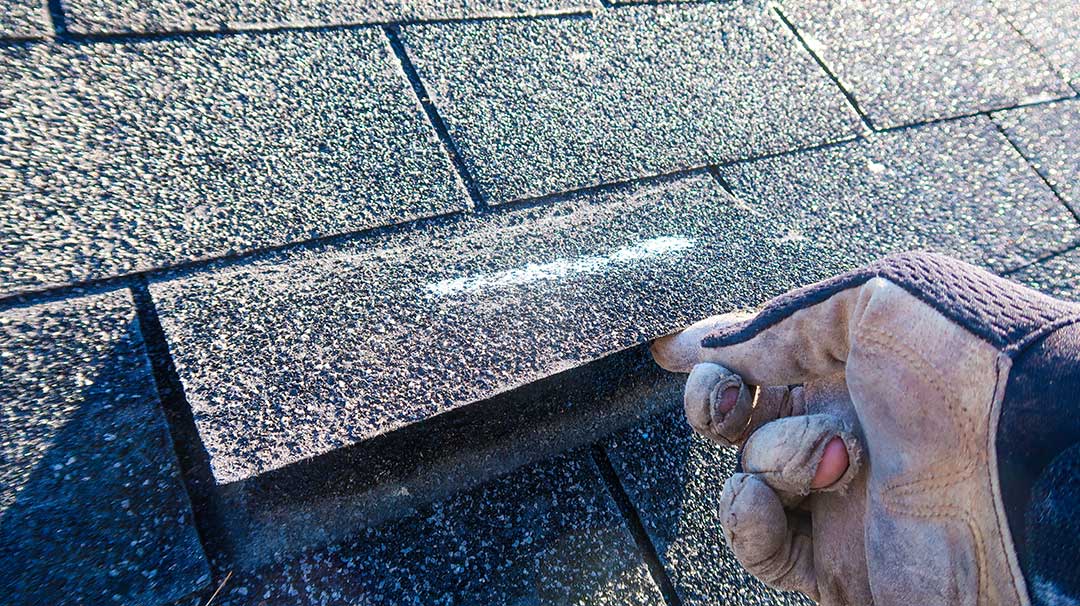
- Smearing sealant over deteriorated metal instead of replacing it
- Installing new shingles without rebuilding step flashing
- Leaving gaps where two flashing sections meet
- Using incompatible materials that corrode one another
- Fastening flashing in a way that prevents normal movement
- Failing to direct water into the correct drainage channel
Sealant has a limited role. It can supplement a properly designed flashing system, but it should not substitute for correct layering and water movement.
Can poor attic ventilation cause roof damage?
Yes. Inadequate ventilation can contribute to condensation, mold growth, damp insulation, ice dams, and premature deterioration of roofing materials.
Warm air from the living space can rise into a cold attic through light fixtures, attic hatches, plumbing openings, or poorly sealed ductwork. If the attic does not have balanced intake and exhaust ventilation, moisture may condense on the underside of the roof deck.
A common repair mistake is adding an exhaust vent without providing adequate intake ventilation. That can reduce effectiveness and may draw air from unintended areas of the house. Blocking soffit vents with insulation creates a similar problem.
Ventilation repairs should be considered along with air sealing and insulation. A roof leak and an attic condensation problem can look similar from inside the home, but they require different solutions.
What winter repair mistakes should residents avoid?
Roof work during cold or snowy conditions requires extra caution. Wet surfaces, hidden ice, and unstable footing create fall hazards, while cold temperatures can prevent roofing materials from sealing as intended.
Avoid:
- Walking on snow-covered roof surfaces without knowing what is beneath
- Chipping aggressively at ice dams and damaging shingles
- Using heat sources near roofing, insulation, or electrical components
- Applying materials outside their recommended temperature range
- Assuming a frozen leak has stopped permanently
- Ignoring attic moisture because the ceiling appears dry
An ice dam may be connected to heat loss, blocked drainage, inadequate insulation, or ventilation problems. Removing visible ice may provide short-term relief, but the condition can return unless the source is addressed.
When does a roof repair become a safety or structural issue?
A repair deserves prompt attention when there is active interior water entry, sagging decking, widespread damage, exposed electrical components, or evidence that the roof surface is unstable. These conditions are not good candidates for trial-and-error work.
Warning signs include:
- A ceiling that is bulging or soft
- Water near light fixtures or wiring
- Large areas of missing roofing
- Significant sagging along a roof plane
- Rotted wood around the eaves
- Repeated leaks after previous patching
- Ice or snow sliding unexpectedly from the roof
The goal of a sound repair is not merely to make the roof look better. It is to restore water control, preserve the roof structure, and prevent moisture from moving into insulation, walls, ceilings, and living spaces. Careful diagnosis matters more than the size of the visible defect.
