
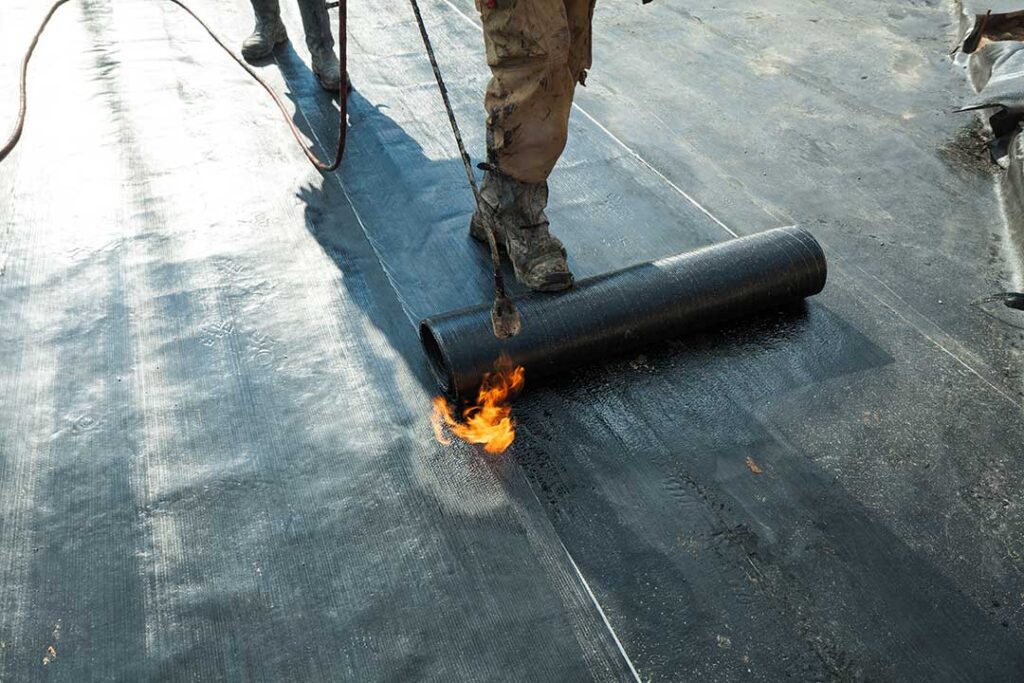
Renovation work can protect a home’s value and comfort, but it can also expose the roof to damage. Materials, tools, foot traffic, falling debris, temporary openings, and changing weather conditions all create risks that may not be obvious until water enters the house.
In Saranac Lake, NY, renovation planning should account for snow, freeze-thaw cycles, heavy rain, wind, and long periods when roof surfaces remain cold or damp. A roof that seems sound before construction begins can develop leaks if temporary protections are poorly installed or if work is left unfinished before a weather change.
Which renovation activities can damage a roof?
Roof damage can occur during projects that do not directly involve roofing. Additions, chimney work, dormer construction, solar-related work, exterior painting, siding replacement, and attic improvements may all affect the roof system.
Common risks include:
- Workers walking on shingles or stepping on flashing
- Ladders resting against gutters, fascia, or roof edges
- Tools, lumber, and fasteners falling onto the roof
- Debris collecting in valleys, gutters, and around roof penetrations
- Temporary tarps allowing water to collect underneath
- Plumbing, electrical, or ventilation work leaving openings around pipes
- Snow, ice, or rain entering through an unfinished section
- Heat or moisture from interior work affecting the attic
Even small punctures can become active leaks later. Roofing materials may hide damage until wind, melting snow, or a heavy rain exposes a weak point.
How should the roof be inspected before work begins?
A pre-renovation inspection establishes the roof’s condition before materials and workers arrive. The inspection should document shingles or other roof coverings, flashing, valleys, drainage components, penetrations, gutters, attic insulation, and visible signs of moisture.
Photographs are useful, especially around:
- Chimneys, skylights, vents, and plumbing stacks
- Roof-to-wall intersections
- Valleys and areas beneath overhanging trees
- Gutters, downspouts, and drip edges
- Existing patches, lifted shingles, or exposed fasteners
- Attic sheathing with staining, mold-like growth, or soft spots
The purpose is not only to find current defects. It also helps distinguish pre-existing conditions from damage that occurs during the renovation.
If the roof is already near the end of its serviceable life, renovation planning should address that before other work begins. Building around a failing roof can create extra disruption and may require newly installed siding, insulation, or trim to be removed later.
What temporary roof protection works best?
Temporary protection should shed water rather than simply cover the roof. A properly secured waterproof covering may be appropriate for a short period, but it must be installed so wind cannot lift it and water cannot pool beneath it.
A tarp should not be fastened by driving exposed nails through the roof covering. Punctures made for temporary protection can become permanent leak points. Protection should also extend far enough to direct water beyond the exposed work area without blocking drainage paths.
For longer renovation periods, a temporary roof covering or weather-resistant enclosure may be more dependable than a loose tarp. The correct method depends on the roof’s slope, material, location of the opening, expected weather, and duration of the work.
Temporary protection should be checked after:
- Strong winds
- Heavy rain
- Snowfall or rapid snowmelt
- Freeze-thaw conditions
- Movement of scaffolding or ladders
- Any work involving roof penetrations
A covering that looks secure from the ground may be loose at an edge or holding water underneath.
How can workers avoid damaging shingles and flashing?
Roof surfaces are not designed to function as regular walkways. Foot traffic can loosen granules, crack brittle shingles, bend metal flashing, and damage concealed seals. Cold weather makes some roofing materials less flexible, while warm weather can make certain surfaces easier to scuff.
Access equipment should be placed carefully. Ladders should not rest directly on gutters, and scaffolding should not press against roof edges or flashing. Where roof access is unavoidable, workers should use designated paths and avoid stepping near exposed seams, ridges, valleys, and penetrations.
Materials should be lifted or carried in a way that prevents dragging. Lumber, metal panels, tools, and buckets can scrape protective surfaces or strike roofing components when moved across a slope.
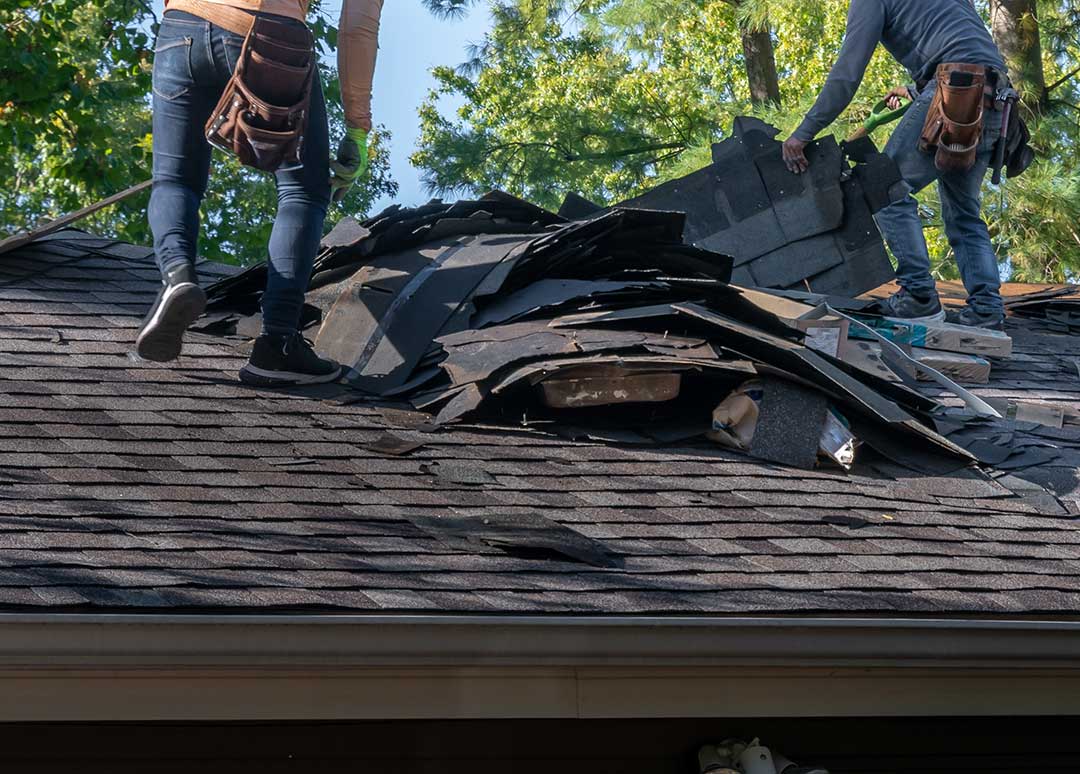
Fasteners deserve special attention. Loose nails and screws can puncture shingles, underlayment, or flashing. At the end of each workday, the roof and nearby ground should be checked for stray fasteners and sharp debris.
What should happen when a renovation creates an opening?
Any opening in the roof should be treated as an immediate weather-protection issue. This includes removed chimneys, skylights, vents, dormers, roof sections, and areas where plumbing or electrical components pass through the roof.
The opening should be covered and secured before work stops for the day, even if the forecast appears clear. Weather can change quickly, and water can enter through a small gap before anyone notices.
Interior protection is also useful. Plastic sheeting or temporary barriers beneath the work area can limit damage to insulation, ceilings, and wall finishes if water gets through. These barriers do not replace exterior protection, but they may reduce the spread of moisture.
Renovation plans should identify who is responsible for closing openings, checking temporary coverings, and responding if a leak develops. Clear responsibility prevents the common problem of assuming someone else handled the roof before the crew left.
How should snow and cold weather affect renovation planning?
Cold-weather work requires extra care because roofing materials, sealants, adhesives, and membranes may not perform normally at low temperatures. Snow and ice can also hide roof damage, add weight, and create dangerous footing.
Before work begins, snow should be cleared in a way that does not scrape or puncture the roof covering. Snow should not be piled against roof penetrations, gutters, or temporary structures. Ice dams and frozen drainage paths can force water beneath roofing materials if melting occurs during a warm period.
Renovations should be scheduled with unfinished roof sections in mind. A project that begins during a mild afternoon may face freezing temperatures, wind, or precipitation overnight. Materials that require dry or warmer conditions should not be left exposed.
In the local climate, freeze-thaw movement can also enlarge small gaps around flashing and penetrations. Temporary seals should be checked repeatedly rather than assumed to remain watertight for the entire project.
How can gutters, attic areas, and interior spaces be protected?
Roof protection includes the drainage and ventilation systems connected to the roof. Gutters should be covered or cleared frequently so sawdust, shingle fragments, insulation, and packaging do not block water flow. Downspouts should remain open and discharge water away from the foundation.
Attic ventilation openings should not be covered accidentally with insulation, plastic, or construction materials. Blocked ventilation can trap moisture and contribute to condensation, especially during temperature changes.
Inside the house, watch for:
- New ceiling stains
- Damp insulation
- Musty odors
- Dripping around light fixtures or vents
- Peeling paint
- Moisture near exterior walls or chimneys
Electrical fixtures should be treated cautiously if water appears nearby. Shut off power to an affected area only if it can be done safely, and avoid touching wet electrical components.
What should be checked when the renovation is finished?
A final roof check should occur before scaffolding, coverings, and construction equipment are removed. Look for cracked or displaced roofing materials, damaged flashing, exposed fasteners, blocked gutters, punctures, and debris in valleys.
The attic should also be inspected for fresh moisture or daylight entering where it should not. After the first substantial rain, another check can reveal problems that were not visible during dry conditions.
Renovation records should include photographs of the completed roof areas, locations of new penetrations, materials used for temporary protection, and any repairs made during construction. These records can be helpful for future maintenance and for identifying changes after later storms or snow seasons.
Protecting a roof during renovation is mainly a matter of planning, controlled access, reliable temporary weather protection, and frequent inspections. In a cold, snowy community, keeping the roof dry and undisturbed throughout the project is just as important as completing the visible renovation work.
