
Why Do Moss and Algae Grow on Roofs in Saranac Lake, NY?
Moss and algae tend to develop on roofs in Saranac Lake, NY due to the region's climate, which is marked by significant precipitation, humidity, and shaded areas from surrounding forests. These damp conditions provide a fertile environment for growth on roofing surfaces, particularly asphalt shingles or slate.
In the city, roofs that face north or remain under shade for much of the day are especially susceptible. Fallen leaves and pine needles can trap moisture, giving moss and algae extra encouragement to take hold, especially after wet springs or during the long, humid summers.
Are Moss and Algae Harmful to My Roof?
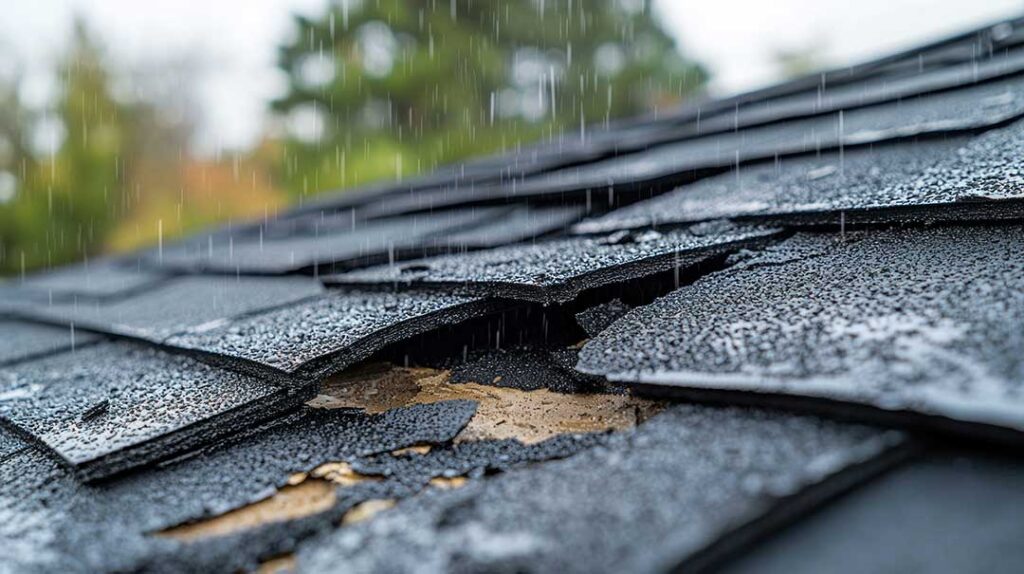
Both moss and algae can cause gradual but real damage to roofing materials found in area homes. Moss forms a thick mat that can hold moisture against the roof, which over time promotes wood rot or deteriorates shingles. Algae, while less structurally damaging than moss, can lead to staining and dark streaks, which may reduce curb appeal and cause some residents to worry about underlying issues.
Often, regular growth does not immediately threaten roof integrity, but if left unchecked, it can accelerate aging, loosen shingles, and contribute to ice dam formation in the winter. This is especially relevant in colder regions like Saranac Lake, where freeze-thaw cycles already put stress on roofing materials.
What’s the Safest Way to Remove Moss and Algae?
Starting with gentle methods helps avoid damaging shingles. For light growth, brushing the affected area with a soft-bristle brush while standing securely on the ground (using an extension pole) is often sufficient. Always work in a downward direction to prevent shingle lift.
Cleaning solutions made from household products—such as a diluted mix of water and oxygen bleach—are generally safer than harsh chemicals or pressure washers. Allow the solution to sit for 15–20 minutes before lightly rinsing with a garden hose. Avoid using a pressure washer, which can strip granules from shingles and shorten roof lifespan.
Safety is especially important: never walk on a roof if it feels slippery or covered in moss, and use proper fall protection if climbing is necessary. In the community, falls from heights or slippery surfaces are a leading cause of injury during home projects like these.
Should I Remove Moss Right Away, or Can It Wait?
Removing small patches early is the most effective approach. If moss is thick or spreading rapidly, it’s best to address it during mild, dry weather. Allowing moss to remain over the winter can trap additional moisture, potentially leading to ice dams or roof leaks as snow accumulates and thaws.
Light discoloration from algae does not demand urgent action, but if appearance is a concern or if it seems to be spreading, safe removal can prevent a more labor-intensive job later.
How Can Moss and Algae Be Prevented in Saranac Lake?
Prevention involves eliminating the conditions moss and algae need to thrive. Here are practical strategies suited to area homes:
- Trim back trees and branches to increase sunlight and airflow across the roof surface.
- Regularly clear gutters and downspouts to prevent water from backing up and soaking edges.
- Remove leaves, pine needles, and other debris from the roof at least once each fall.
- Some residents install strips of zinc or copper near the roof ridge. Rain rinses small amounts of metal ions down the roof, which inhibit future moss and algae growth. This technique is safe for most roofing and effective over several years.
- Ensure attic insulation and ventilation are adequate, as poor airflow can increase indoor and roof moisture in humid seasons.
Are Home Remedies Effective or Risky?
Many residents use DIY options such as baking soda or vinegar to spot-treat small patches. Baking soda sprinkled directly on patches can dry out moss over several days, making removal easier after a week or two. Vinegar solutions are sometimes used, but care must be taken to rinse thoroughly, as vinegar can damage landscaping below.
Avoid commercial moss killers with harsh chemicals; these can run off into the yard and harm local water systems or contribute to pollution in the community’s lakes and streams.
Are Certain Roofs in Saranac Lake More Vulnerable?
Yes, vulnerability depends on two key factors: roof material and exposure. Asphalt shingles are very common locally and provide a good foothold for moss, especially if older. Slate and wood shake roofs can also be prone to growth, particularly in shaded or well-treed lots.
Steel and metal roofs, found on some homes in the city, are less likely to support moss and algae, but heavy debris accumulation in seams or valleys can still trap moisture if not cleared regularly.
How Can I Tell If Growth Is Just Cosmetic or a Sign of a Deeper Issue?
Most moss and algae patches on roofs in the city are surface level. However, warning signs of a more serious problem include:
- Soft, warped, or crumbling shingles beneath a thick mat of moss
- Persistent dampness even days after rain
- Moldy smells or water stains in the attic below the affected area
If moss returns quickly after cleaning, or if multiple roof sections stay damp, it may signal a need to improve attic airflow, check for overhanging branches, or investigate possible roof leaks.
When Should Moss or Algae Growth Be Left Alone?
If a patch is very small, not increasing in size after routine checks, and isn’t causing leaks or visible shingle damage, some residents choose to monitor rather than remove. Aging, non-leaking roofs near the end of their service life may not benefit meaningfully from removal, especially if the cost or risk of cleaning outweighs the current problem.
For those with historic or specialty roofs, particularly on older homes common in the area, always use the safest and gentlest removal techniques to avoid disrupting the roof’s integrity.
