
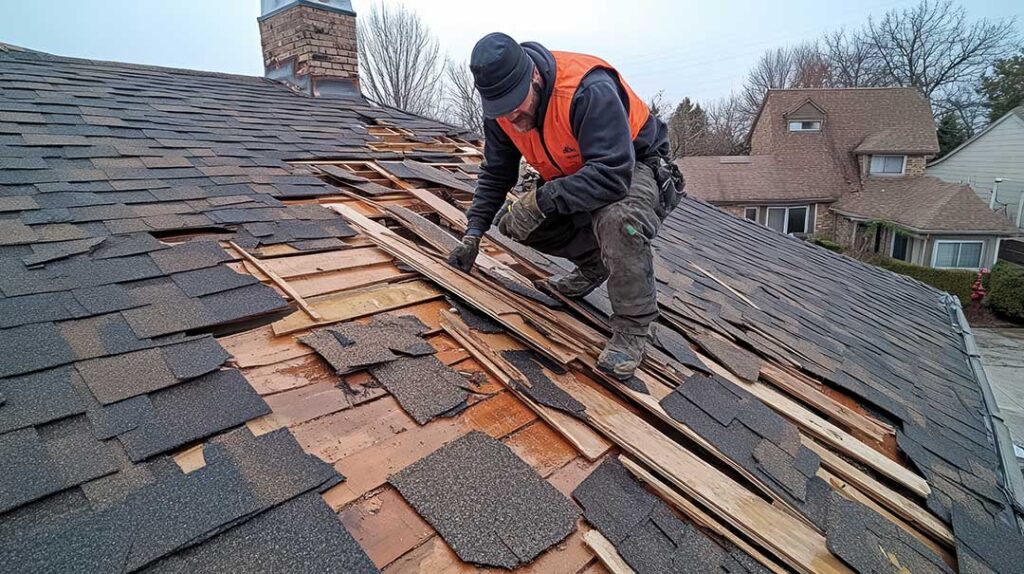
What Is Roof Decking in a Typical Saranac Lake, NY Home?
Roof decking is the solid surface, usually made from wood panels, that sits beneath your roofing shingles or other roofing material. In most homes around Saranac Lake, the decking forms the structural base that supports the weight of snow, shingles, and anything else above your attic or top floor ceiling.
Homeowners often don't see the decking unless repairing or replacing a roof, but its hidden role is absolutely critical in the North Country climate.
Why Does Roof Decking Matter in Cold, Snowy Climates Like Saranac Lake?
Decking is particularly important in regions like Saranac Lake, known for harsh winters, heavy snow loads, and dramatic freeze-thaw cycles. Here’s a direct answer: Roof decking provides the foundational support for the weight of snow and ice, and helps prevent leaks during spring thaws.
- If decking is weak or damaged, even the best-installed shingles won’t protect a house from leaks.
- Plywood, OSB (oriented strand board), and sometimes wooden planks are typical decking materials found in local houses.
Harsh winters can reveal any underlying issues in decking quickly. Ice dams, for example, can trap water. Properly installed, undamaged decking protects the living space below.
How Can You Tell If Roof Decking Needs Attention?
You won’t always spot problems from the outside, but there are signs homeowners can check:
- Sagging rooflines or dips in the roof surface may indicate sagging or rotten decking.
- Stains on attic ceilings, musty smells, or visible daylight through the attic boards can mean moisture has reached the decking.
- After a storm, look for areas with missing shingles or patches that seem uneven—these are risk points for water intrusion to the decking underneath.
Often, issues with the decking go unnoticed until a major leak or roof replacement, so periodic roof checks after winter are wise for households in the area.
What Materials Are Used for Decking in Local Homes?
Most area homes use plywood sheets or OSB panels for roof decking. Older homes may have plank decking—wooden boards spaced or butted together. Each material holds up differently:
- Plywood: Popular for its strength and resistance to splitting.
- OSB: Economical and consistent in thickness, though it may degrade faster if it gets wet repeatedly.
- Board/plank: Common in houses built before the 1960s, and can last many years if protected from moisture.
Local building codes and common construction practices prefer plywood or OSB for new installations because these panels perform predictably under load.
Does Decking Need to Be Replaced During Every Roof Project?
Not always. In short, roof decking only needs replacement if it’s damaged, soft, warped, or rotten. During a tear-off roof replacement, professionals will check the decking after removing the top roofing layer. If the underlying panels are solid, they can support new shingles or roofing material.
Common reasons for replacing sections of decking in Saranac Lake include:
- Mold and rot from persistent leaks or ice damming
- Plywood that has delaminated or is swelling from water
- Insect infestation or significant warping due to moisture
Small patches are sometimes enough, but extensive damage often means replacing full sheets.
What Problems Occur If Damaged Decking Is Ignored?
Damaged or rotting decking can lead to several persistent issues in Saranac Lake homes:
- Leaks: Moisture sneaks through seams or holes, especially during snowmelt and spring rains.
- Roof Structure Problems: Weakened decking can make the roof feel spongy and cause sagging.
- Higher Energy Costs: Damp insulation and poor sealing lead to greater heat loss from attics during long winters.
- Mold Growth: Chronic leaks encourage mold, which is tough to remove and can lower air quality inside homes.
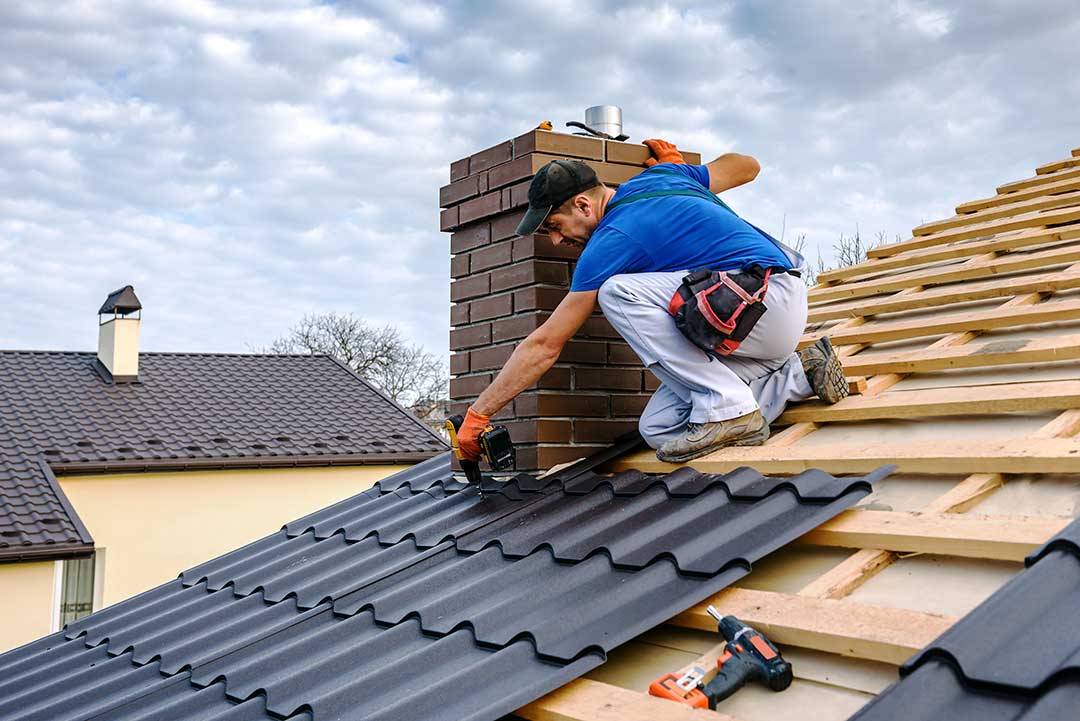
Because the area is known for long freeze-thaw cycles, any hidden decking damage can get worse quickly if not addressed.
Can Roof Decking Be Repaired, or Must It Always Be Replaced?
Repair is possible if only a small section of decking is affected and the surrounding wood is solid. This is common after localized leaks. Larger areas of rot, severe warping, or widespread water staining, however, point to the need for replacement.
In Saranac Lake, since roofs bear a lot of snow and ice weight for much of the year, sturdy, uncompromised decking is considered standard. Most experts recommend replacing any questionable sections rather than patching extensively.
Are There Common Mistakes Homeowners Make Regarding Decking?
Misunderstandings often come from thinking the roof's visible surface tells the whole story. Here are some local examples:
- Assuming a new layer of shingles will stop leaks when the decking below is already damaged
- Attempting major repairs without checking attic conditions or possible hidden mold
- Forgetting to check decking condition after severe weather, even if the roof “looks fine” from the outside
Regular attic inspections—especially after winter—can catch problems early before decking deterioration leads to interior damage.
How Can Homeowners Help Preserve Their Roof Decking?
Simple, locally practical steps go a long way:
- Keep gutters and downspouts clear to prevent water from backing up onto the roof edge
- Check all attic vents for blockages and make sure insulation is dry and adequate
- Look for signs of ice dams forming at the roof edge, which can force water beneath shingles onto the decking
- Trim back tree limbs to prevent accumulated snow and debris from staying wet on the roof surface through freeze-thaw cycles
By maintaining roof integrity and monitoring both attic and exterior, local residents help their roof decking last for decades—even in the unpredictable North Country weather.
