

What Is Roof Decking, and Why Does It Matter in Saranac Lake, NY?
Roof decking is the structural base for your home’s roofing materials, sitting between the rafters and the shingles. In Saranac Lake, NY, where heavy snow, ice, and moisture are common, the condition of the decking plays a critical role in protecting homes from leaks, structural damage, and costly repairs.
Decking is usually made from plywood or oriented strand board (OSB). Over time, repeated freeze-thaw cycles, accumulated snow loads, and seasonal dampness can cause wood to deteriorate—making early detection of issues especially important for local residents.
How Can You Tell If Roof Decking Needs Attention?
Several signs may indicate a problem with your roof decking. Not every symptom is easy to spot from the ground, but a few are accessible enough for homeowners to recognize without specialized tools.
- Sagging rooflines, visible dips, or uneven shingles can mean weakened decking
- Musty or moldy smells in attics are often signs of trapped moisture affecting the wood base
- Peeling or bubbling paint on interior ceilings or upper walls might suggest water intrusion from above
- Persistent leaks after rain or ice melt, especially if they reoccur after patching shingles
These symptoms can be more than just isolated annoyances—they may signal hidden structural problems worsened by local weather extremes.
What Are the Most Common Causes of Decking Damage in the Area?
Moisture is the primary culprit in most roof decking issues for homes in Saranac Lake. The unique climate creates several risks:
- Ice dams: When heat escapes through poorly insulated attics, snow on roofs melts and refreezes at the eaves, causing water to back up under shingles and soak the decking.
- Heavy snow: Prolonged snow accumulation puts extra weight on decking, which can lead to warping or sagging, especially in older homes.
- Poor attic ventilation: Trapped humid air promotes wood rot and mold.
- Long freeze-thaw cycles: Frequent temperature swings expand and contract materials, possibly opening pathways for water to enter.
Understanding these local risk factors helps homeowners assess the likelihood and timing of necessary upkeep.
Can You Inspect Roof Decking Without Removing Shingles?
It’s difficult to fully assess roof decking conditions without shingle removal, but a few non-invasive checks are possible:
- Inspect attics for visible water stains, black spots from mildew, or soft, spongy spots on the underside of decking panels.
- Gently press on the roof surface from above (if safely accessible by ladder); springiness or unexpected movement suggests underlying problems.
- Look for daylight shining through the roof boards in the attic—any visible gaps mean exposure and possible rot.
Regular, careful attic checks during wet weather or after big snowmelts can offer early clues, particularly during Saranac Lake’s long cold season.
What Are Common Misconceptions About Roof Decking Issues?
One misconception is that a leaky roof always means a shingle problem. In reality, leaks can originate from damaged, rotting, or poorly installed decking. Another is assuming minor leaks or stains don’t matter much—delayed action can allow underlying decking damage to spread, especially in homes with older or less weather-resistant materials.
Some residents believe that “out of sight, out of mind” applies to roofing structure, but the decking is just as crucial as the visible outer layers.
How Can You Prevent Future Problems With Decking?
Practical steps for area homeowners include:
- Keeping gutters and roof valleys clear to minimize water pooling and ice dam formation
- Checking attic insulation and ventilation each fall to reduce heat loss and moisture buildup
- Removing snow from roofs when possible and safe, to avoid excess load and moisture over time
- Addressing small leaks promptly and tracking recurring issues, as repetition may indicate hidden decking trouble
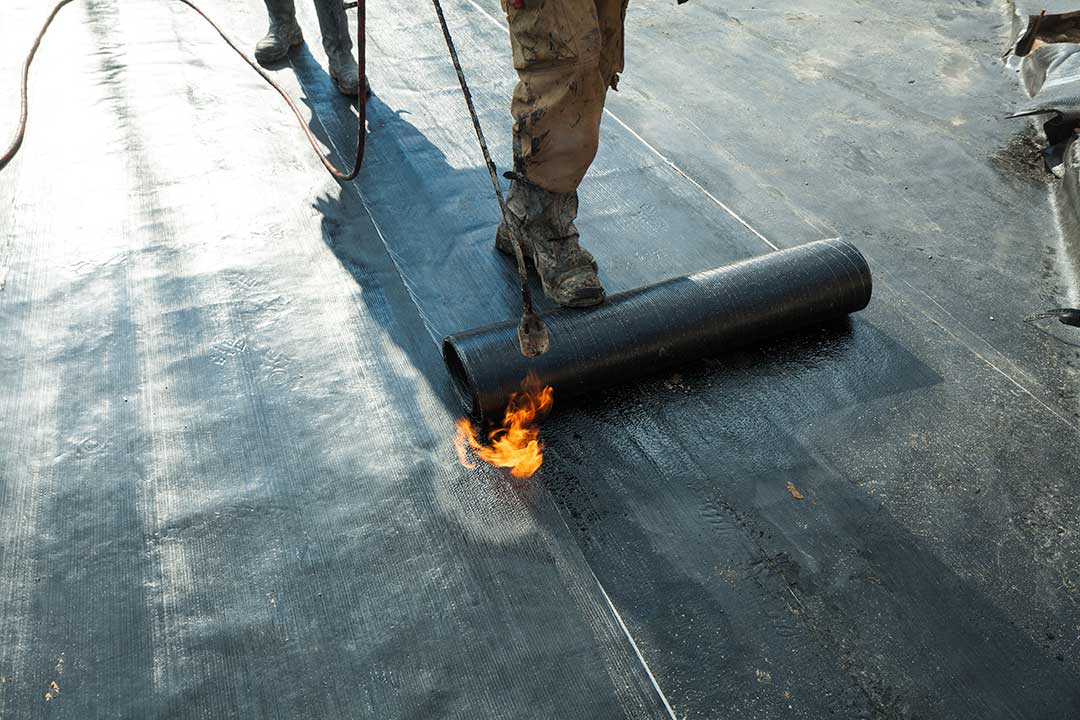
Preventive maintenance is particularly worthwhile for homes exposed to high winds, deep snows, or historic freeze-thaw cycles.
When Is Professional Help Actually Necessary?
In some cases, investigating and addressing roof decking issues is a matter for experienced professionals—specifically when:
- There is evidence of structural sagging or collapse
- Soft or moldy decking is widespread in the attic
- There are electrical or safety hazards (wet wiring, major leaks near outlets or lights)
- Removal of large roof areas is necessary for proper inspection
For homeowners tackling routine observations and light maintenance, roof safety always comes first. In Saranac Lake, where steep roof pitches and slippery winter conditions are common, caution is warranted before venturing onto the roof for any hands-on checks.
What Should Homeowners in Saranac Lake Track Over Time?
It’s useful to keep a simple log noting:
- Dates of major storms, ice dams, or leaks
- Any changes observed inside attics or on ceilings
- Areas of recurring condensation or musty odor
This local record not only helps spot patterns but can also be invaluable for communicating with roof assessors or neighbors about issues specific to the community’s climate and housing stock.
