

Why Consider Recycling Roofing Materials in Saranac Lake, NY?
Local residents often wonder what happens to old roofing materials after a replacement project. Many roofing components—especially asphalt shingles, metal panels, and tiles—can be reclaimed or recycled. Choosing responsible disposal options helps reduce landfill waste and can even support local road construction and community projects. With Saranac Lake’s focus on environmental stewardship and limited landfill space, thoughtful recycling is a practical option for area households.
What Roofing Materials Can Be Recycled?
Most old roofs in the community are covered with asphalt shingles, though some homes have metal, wood, or tile. Not every material is processed the same way; here’s how common types break down:
- Asphalt Shingles: Often recyclable into pavement or road base. The granular surface and bitumen content make old shingles useful for local infrastructure.
- Metal Roofing: Aluminum, steel, and copper pieces are generally accepted by scrap metal recyclers. These metals are valuable and easily processed.
- Clay or Concrete Tiles: Can occasionally be crushed and repurposed as fill, paving material, or landscaping aggregate, though options are more limited.
- Wood Shakes or Shingles: Untreated wood can be composted, mulched, or reused in landscaping or gardening, but painted or treated wood must be disposed of carefully.
How Do You Prepare Roofing Waste for Recycling?
Before recycling, materials should be sorted and separated as much as possible. Always:
1. Remove debris. Nails, underlayment, and synthetic barriers should be separated from the shingles, tiles, or panels.
2. Keep like materials together. Clean piles of asphalt, metal, or wood are much easier for recycling centers to process.
3. Avoid contaminating loads. Painted, tarred, or asbestos-containing materials (occasionally found under older roofs) require special handling and cannot be mixed for standard recycling.
In Saranac Lake, roof replacements tend to generate large but manageable quantities of waste. Residents should plan for on-site sorting so less reusable material isn’t contaminated by trash or hazardous items.
Where Can Saranac Lake Residents Recycle Roofing Materials?
There is no single drop-off point for all materials, but residents have practical paths for responsible recycling:
- Asphalt Shingles: Some regional transfer stations accept clean, separated asphalt shingles for road construction recycling. Call ahead to confirm current policies or materials bans, as these can shift seasonally.
- Metal Roofing: Local scrap yards almost always accept metal flashing, gutters, panels, and fasteners. Scrap metal bins at transfer stations are usually available.
- Wood and Tile: While not every facility processes these materials for recycling, some landscape supply yards accept clean scrap wood or crushed tile for low-impact uses.
Check with the community’s solid waste division for updated guidance, especially after severe weather events when recycling policies may pause or change.
Are There Local Regulations Affecting Recycling of Old Roofing?
Yes, waste disposal in Saranac Lake is regulated to reduce illegal dumping and safeguard against hazardous material contamination. Residents must:
- Separate hazardous materials. Asbestos shingles, present under some pre-1980s roofs, require licensed abatement and cannot go in recycling.
- Follow weight and volume limits. Most transfer stations have caps on daily loads and expect advance notice for large volumes of building materials.
- Secure transport. Loads must be tarped and contained to avoid litter on the region’s rural roads.
Violations can result in fines or denial of dumping privileges at local facilities, so it’s best to review local guidelines before starting a roofing replacement.
What Happens to Recycled Roofing Materials?
Residents are often curious where their old roofs end up. Here’s what typically happens:
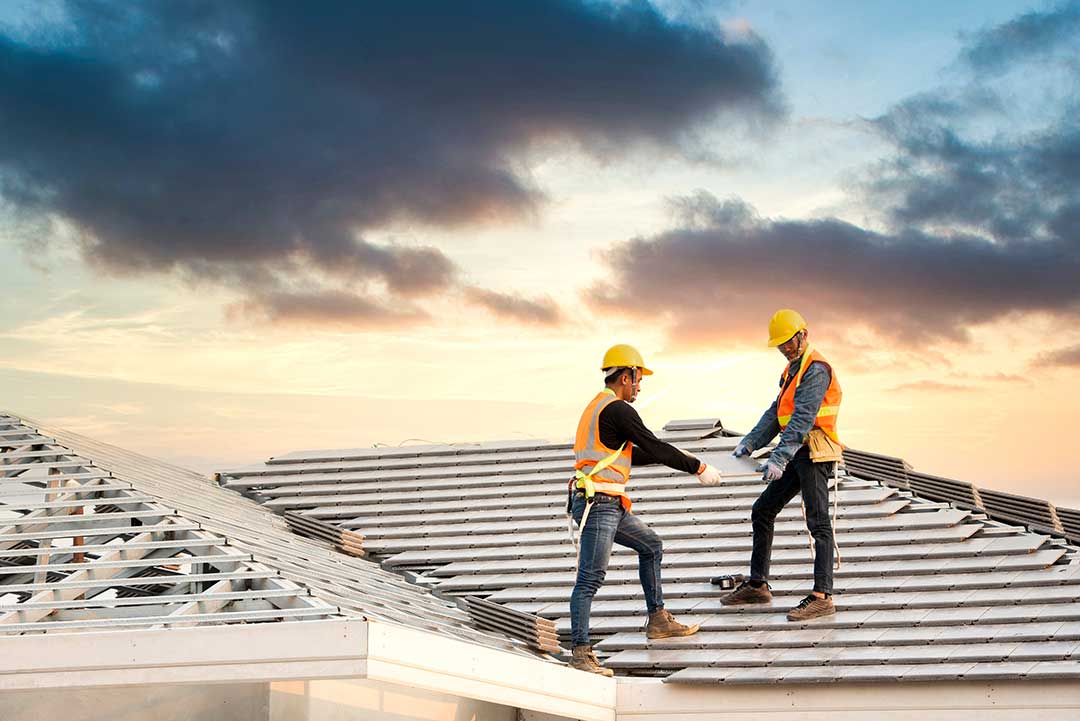
- Asphalt shingles become aggregate for road patching and paving, reducing the need for fresh materials.
- Metal roofing components are melted down and reused to manufacture new products, conserving both raw materials and energy.
- Tiles and wood may be used as base or fill in landscaping projects, or occasionally ground up for further reuse.
In each case, recycling keeps heavy material out of area landfills and contributes to infrastructure improvements in the region.
Are There Common Misconceptions About Roofing Material Recycling?
Misunderstandings can discourage recycling. People sometimes think that all roofing waste is too dirty or damaged to reuse. In reality:
- Dirty or severely damaged shingles can still be processed for industrial uses.
- Mixed-material loads require more work but aren’t always disqualified.
- Homeowners don’t always need to haul material themselves—coordinating with local transfer facilities can ensure proper handling.
Checking with the local solid waste authority clears up confusion and increases the odds that recycling efforts succeed.
What Should You Avoid When Planning Roofing Material Recycling?
A few common mistakes can disrupt otherwise responsible disposal:
- Don’t mix hazardous waste such as asbestos, paint cans, or treated lumber with recyclable materials.
- Don’t exceed facility limits on load weights or hours of operation.
- Don’t leave roofing waste exposed for extended periods, especially in windy or wet Saranac Lake weather, as it may scatter or absorb moisture, complicating recycling.
Being organized from the start ensures materials are accepted at the proper facilities and are truly recycled.
